

Many women struggle daily with fatigue, weight changes, mood swings, or brain fog — and often assume these issues are just part of stress, aging, or a busy lifestyle. What most don’t realize is that these symptoms may be linked to an underlying thyroid problem.
Thyroid disorders are significantly more common in women than in men, yet they frequently go undiagnosed for years. Understanding how the thyroid works in women, recognizing early warning signs, and knowing when to seek help can make a huge difference in long-term health and quality of life.
This article is for educational purposes only and is not intended as medical advice.
What Are Thyroid Problems?
The thyroid is a small, butterfly-shaped gland located at the base of the neck. Despite its size, it plays a crucial role in regulating many essential bodily functions, including metabolism, energy production, heart rate, and hormone balance.
Thyroid problems occur when this gland produces either too much or too little thyroid hormone. The two most common conditions are:
- Hypothyroidism (underactive thyroid): when the thyroid doesn’t produce enough hormones
- Hyperthyroidism (overactive thyroid): when it produces too much
Both conditions can disrupt the body’s natural balance and lead to a wide range of symptoms, especially in women.
Why Are Thyroid Problems More Common in Women?
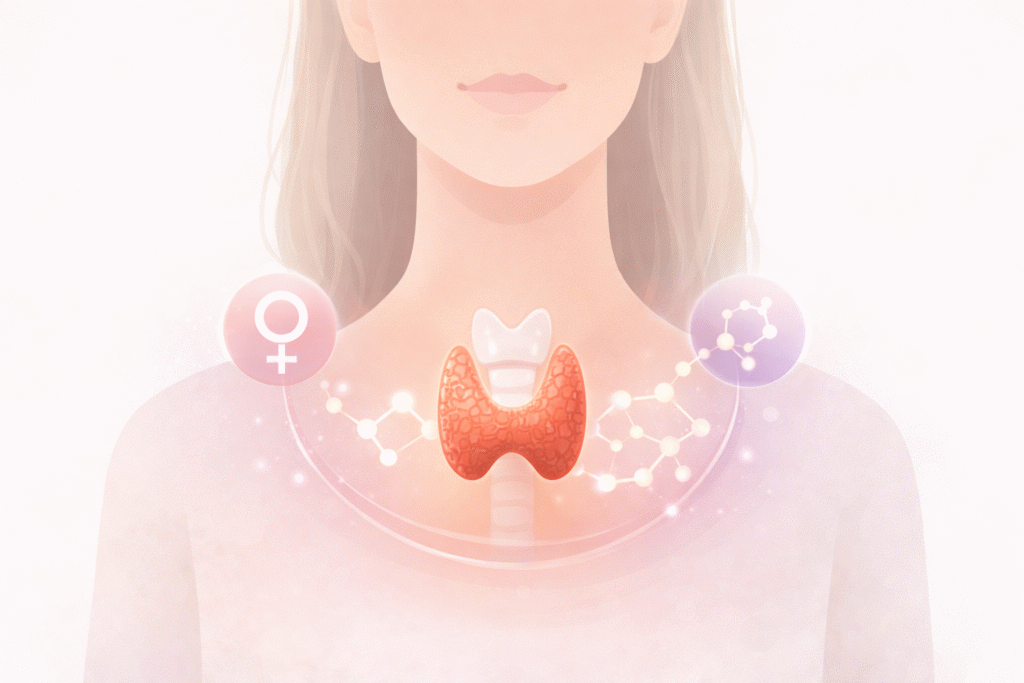
Women are far more likely to experience thyroid disorders due to a combination of biological and hormonal factors. Some of the most common reasons include:
Hormonal Fluctuations
Hormones such as estrogen and progesterone interact closely with thyroid function. Changes during puberty, pregnancy, postpartum, and menopause can all affect thyroid balance.
Pregnancy and Postpartum Changes
Pregnancy places extra demands on the thyroid. Some women develop thyroid dysfunction during or after pregnancy, sometimes without obvious symptoms at first.
Autoimmune Conditions
Many thyroid disorders, such as Hashimoto’s thyroiditis and Graves’ disease, are autoimmune in nature. Autoimmune conditions disproportionately affect women.
This helps explain why thyroid problems are more common in women and why symptoms often appear during major hormonal transitions.
Stress and Lifestyle Factors
Chronic stress can interfere with hormone regulation and may contribute to thyroid imbalance over time.
Common Symptoms of Thyroid Problems in Women
Thyroid symptoms can vary widely and are often mistaken for other health issues. Some of the most common signs include:
- Persistent fatigue or low energy
- Unexplained weight gain or weight loss
- Hair thinning or hair loss
- Dry skin and brittle nails
- Mood swings, anxiety, or depression
- Irregular menstrual cycles
- Sensitivity to cold or heat
- Constipation or digestive issues
Because these symptoms develop gradually, many women normalize them and delay seeking help.
Early Signs Most Women Overlook
One of the biggest challenges with thyroid problems is that early signs are often subtle. Women may notice:
- Feeling tired even after a full night’s sleep
- Difficulty concentrating or memory lapses
- Increased irritability or emotional sensitivity
- Slower metabolism without changes in diet
- Feeling “off” without a clear explanation
These early warning signs are frequently attributed to stress, aging, or hormonal changes — which is why thyroid issues can remain undetected for years.
How Thyroid Imbalance Affects Daily Life
An imbalanced thyroid doesn’t just affect physical health; it can significantly impact daily functioning and emotional well-being.
Energy and Productivity
Low thyroid hormone levels can lead to constant exhaustion, making everyday tasks feel overwhelming.
Weight and Metabolism
The thyroid regulates how the body uses energy. When it’s not functioning properly, weight changes can occur even without dietary or activity changes.
Mood and Mental Clarity
Many women experience anxiety, low mood, or brain fog, affecting confidence and decision-making.
Sleep Quality
Thyroid imbalance may disrupt sleep patterns, making it difficult to fall or stay asleep.
Natural Ways to Support Thyroid Health
While medical evaluation is essential for diagnosis and treatment, there are also natural ways to support thyroid health that can complement a healthy lifestyle.
Nutrition
A balanced diet that includes whole foods, adequate protein, and essential micronutrients can help support hormonal balance.
Stress Management
Chronic stress may interfere with thyroid function. Practices such as mindfulness, gentle exercise, and relaxation techniques can be beneficial.
Quality Sleep
Consistent, restorative sleep supports hormone regulation and overall health.
Reducing Environmental Disruptors
Limiting exposure to endocrine disruptors found in some plastics, cosmetics, and household products may help protect hormonal health.
When Should You See a Doctor?
If symptoms persist, worsen, or interfere with daily life, it’s important to consult a healthcare professional. Blood tests can help assess thyroid hormone levels and identify potential imbalances.
Early detection can prevent complications and improve long-term outcomes.
Final Thoughts
Thyroid problems in women are far more common than many realize, yet they often go unnoticed for years. Understanding the signs, listening to your body, and seeking accurate information are powerful first steps toward better health.
Learning more about thyroid health in women empowers women to make informed decisions and advocate for their well-being.